QuarkXPress
Inside the Platform That Defined Professional Publishing
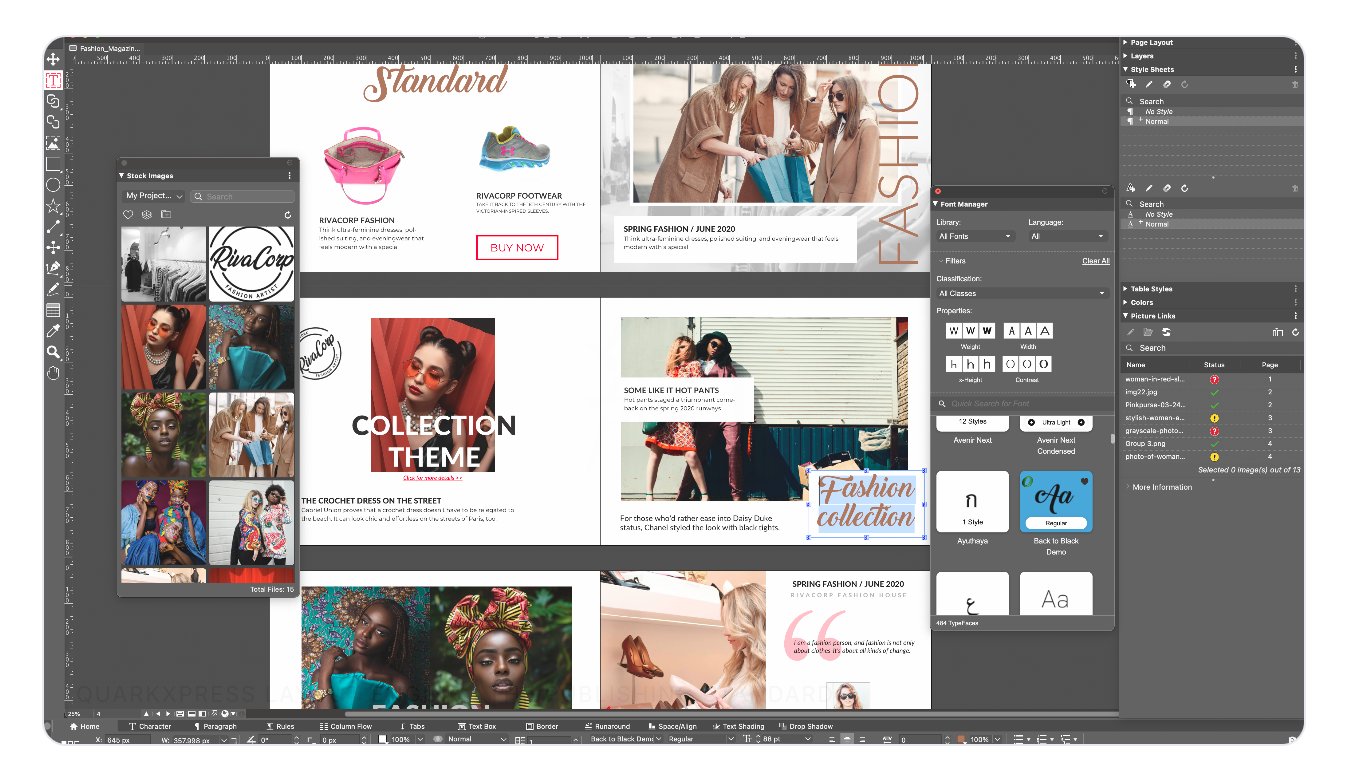
QuarkXPress dominated professional publishing during the OS 9 to OS X transition, the industry's most disruptive platform shift. I worked on typography and interactive layout design during this era.
The Platform
At its peak, Quark virtually owned the professional publishing market — every newspaper, magazine, ad agency, and book publisher ran production through QuarkXPress. Adobe built InDesign specifically to unseat it. With 5 million+ licenses active worldwide and shipping in 30 languages, Quark dominated the Mac platform alongside Adobe and Macromedia.
Japanese Typography
I wrote functional requirements for Japanese typography working directly with Japan's leading publishers — defining how QuarkXPress handled kanji justification, vertical text, ruby text alignment, and CJK spacing rules. These specs were defined in working sessions with editors whose print runs depended on getting every detail right.
QuarkXPress replaced analog phototypesetting machines like the Morisawa MC-6, transforming Japanese publishing from character-by-character physical typesetting to screen-based layout. This shift changed how publishers approached iteration and design itself.
At Quark Research Lab, we were also pushing into structured content and XML authoring — years ahead of the industry. Quark XML Author enabled metadata-driven content management directly inside the authoring environment, treating documents as structured data rather than flat pages. This was enterprise publishing infrastructure before "content-as-data" became a buzzword.
 Quark XML Author · Structured Authoring & Metadata Automation
Macworld & Seybold
I designed product demos for Macworld and Seybold, showcasing features still in development — layers, transparency, object-based interactive content — demonstrating what publishing would become, not just what the software could do today. The demos sometimes crashed, but that was the job.
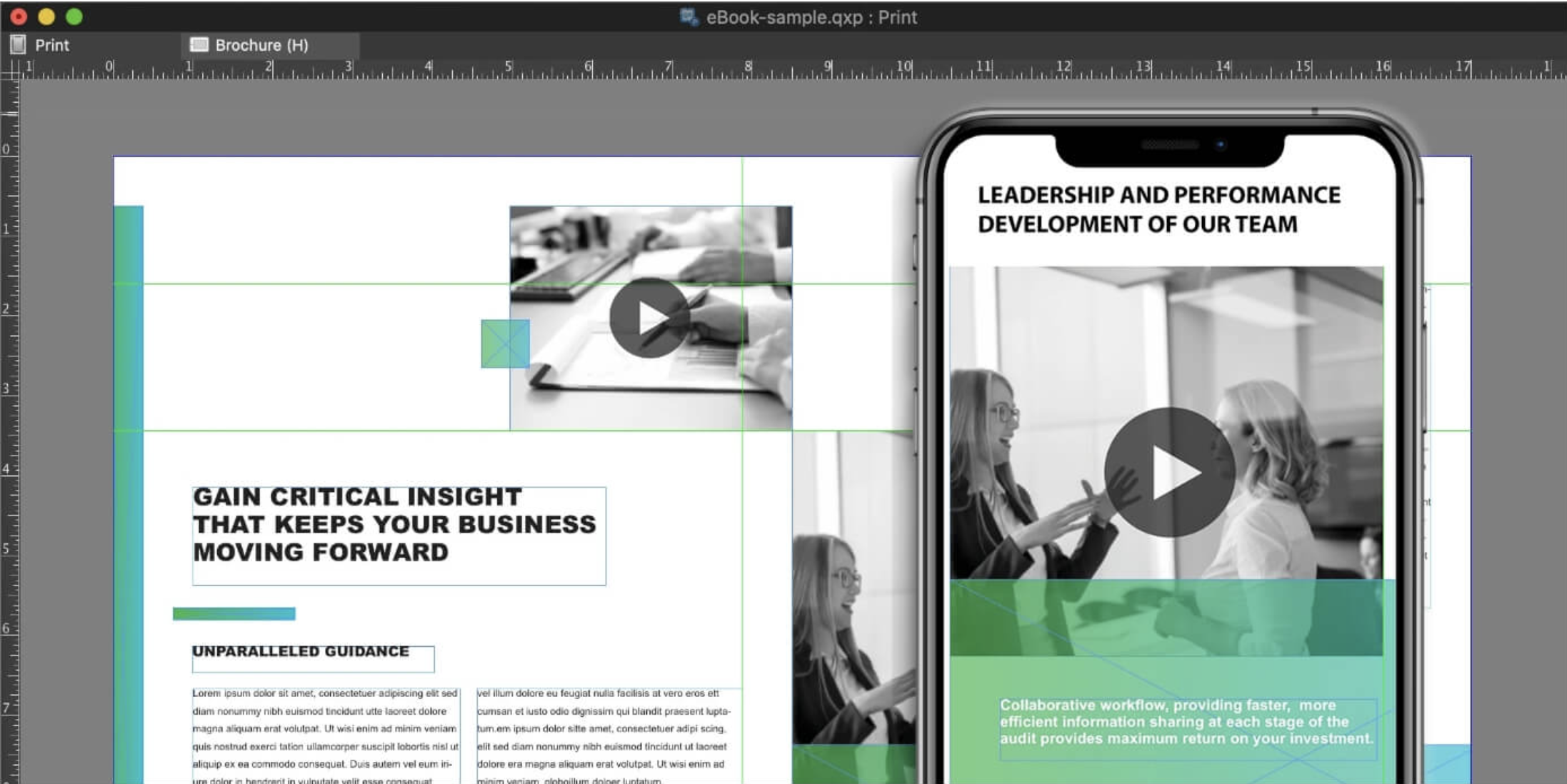 Quark Interactive Designer · Feature Set · Interactive Layout
The Design Ecosystem
QuarkXPress created a design culture through thousands of production-ready templates built on precise typographic grids. Publishers like StockLayouts codified best practices for brochures, catalogs, and editorial layouts that became shared design education.
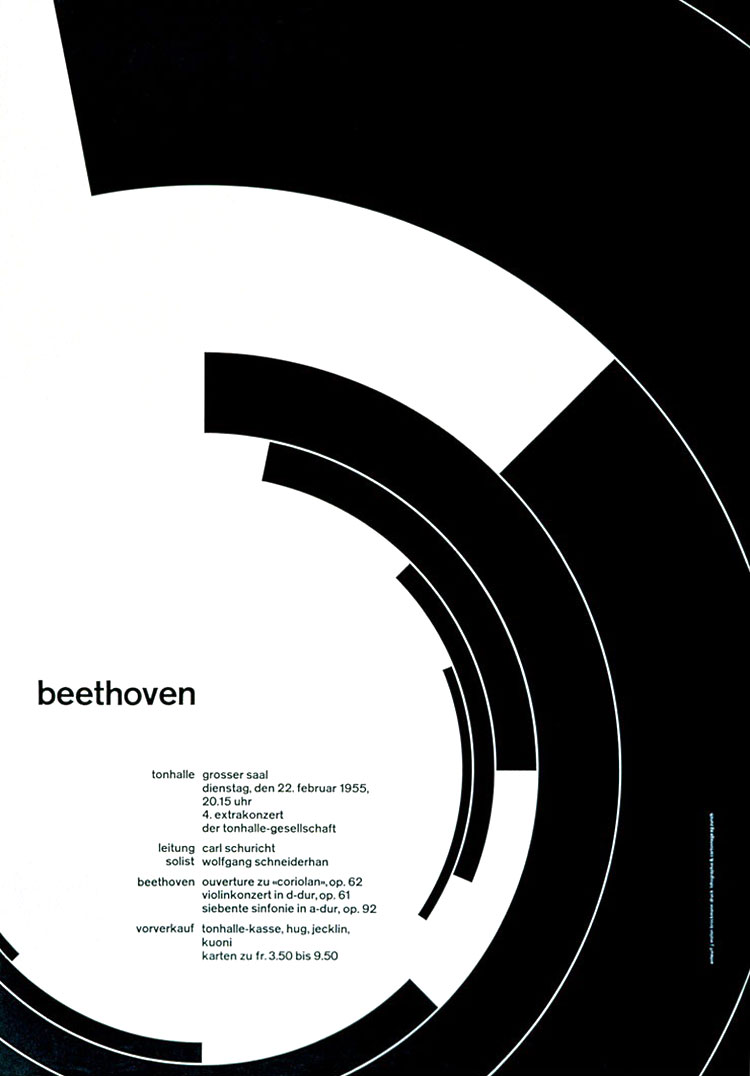
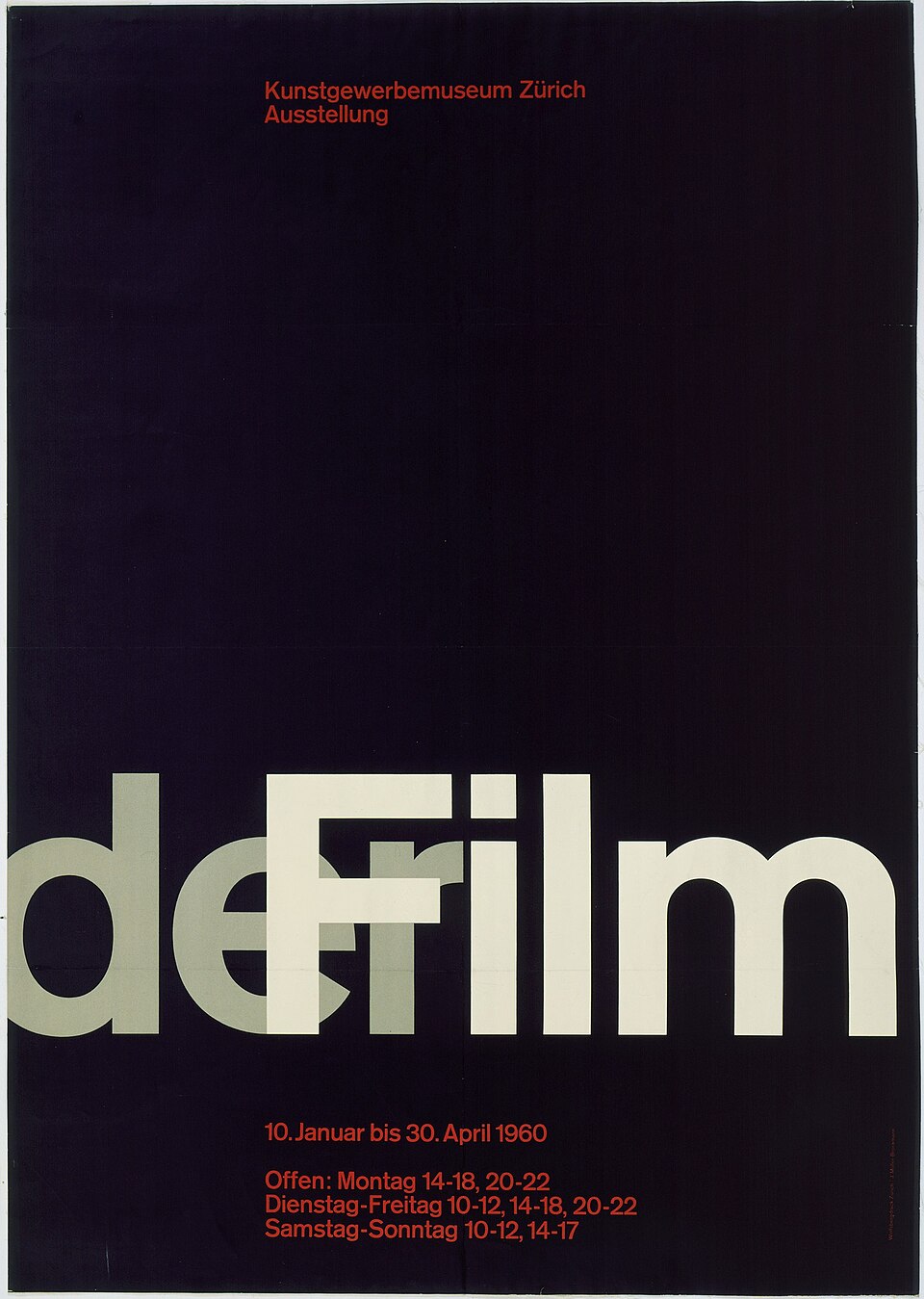
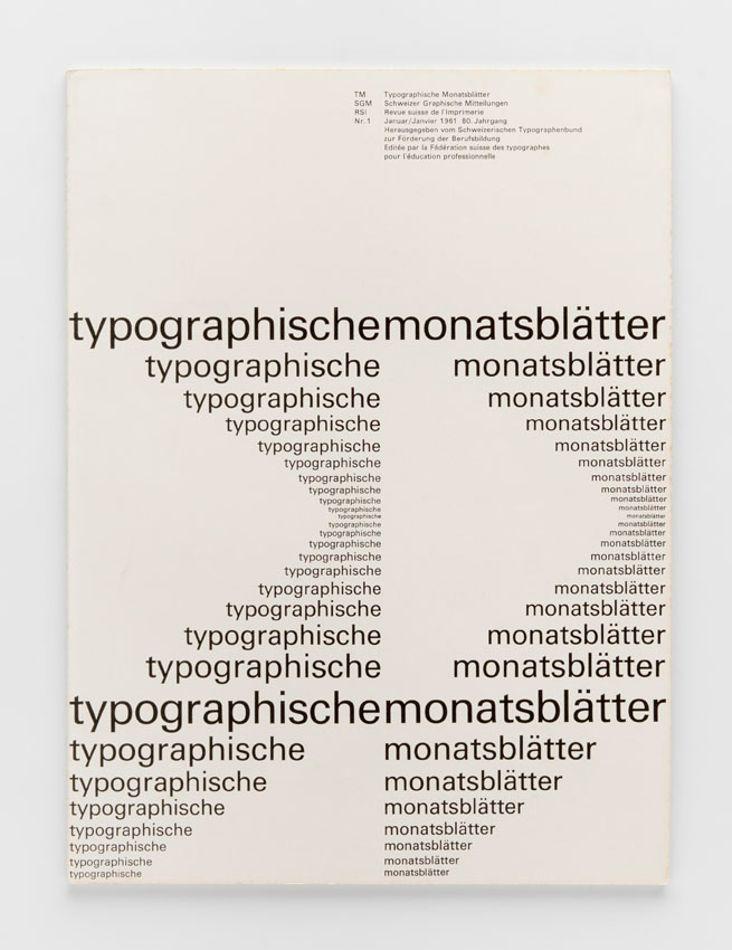
Josef Müller-Brockmann's Grid Systems in Graphic Design (1981) provided the intellectual foundation — its principles of modular grids and asymmetric balance became the invisible architecture behind every serious XPress layout. Setting up grids and master pages in QuarkXPress was Swiss design thinking in daily practice.
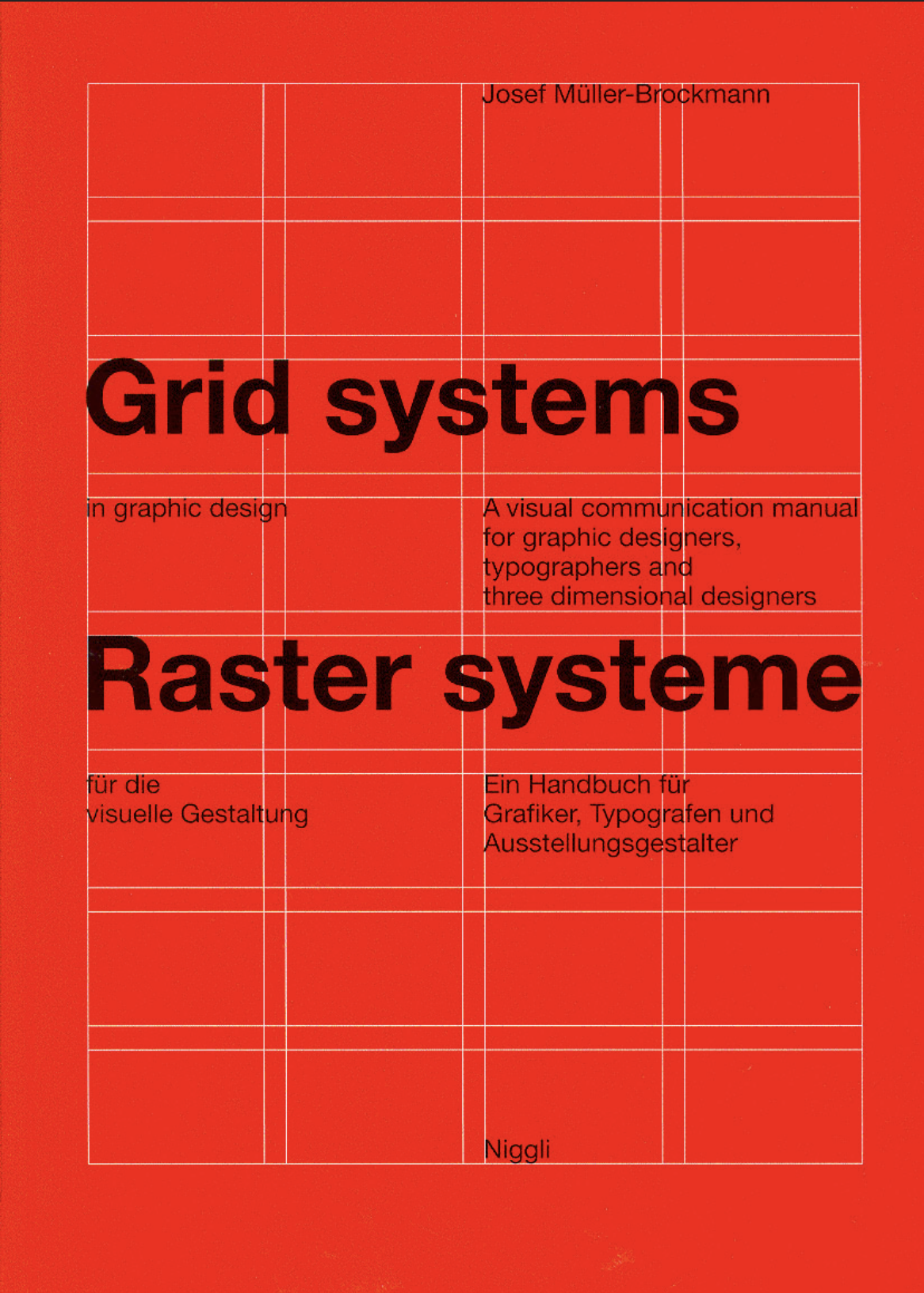
Josef Müller-Brockmann
Grid Systems in Graphic Design, 1981
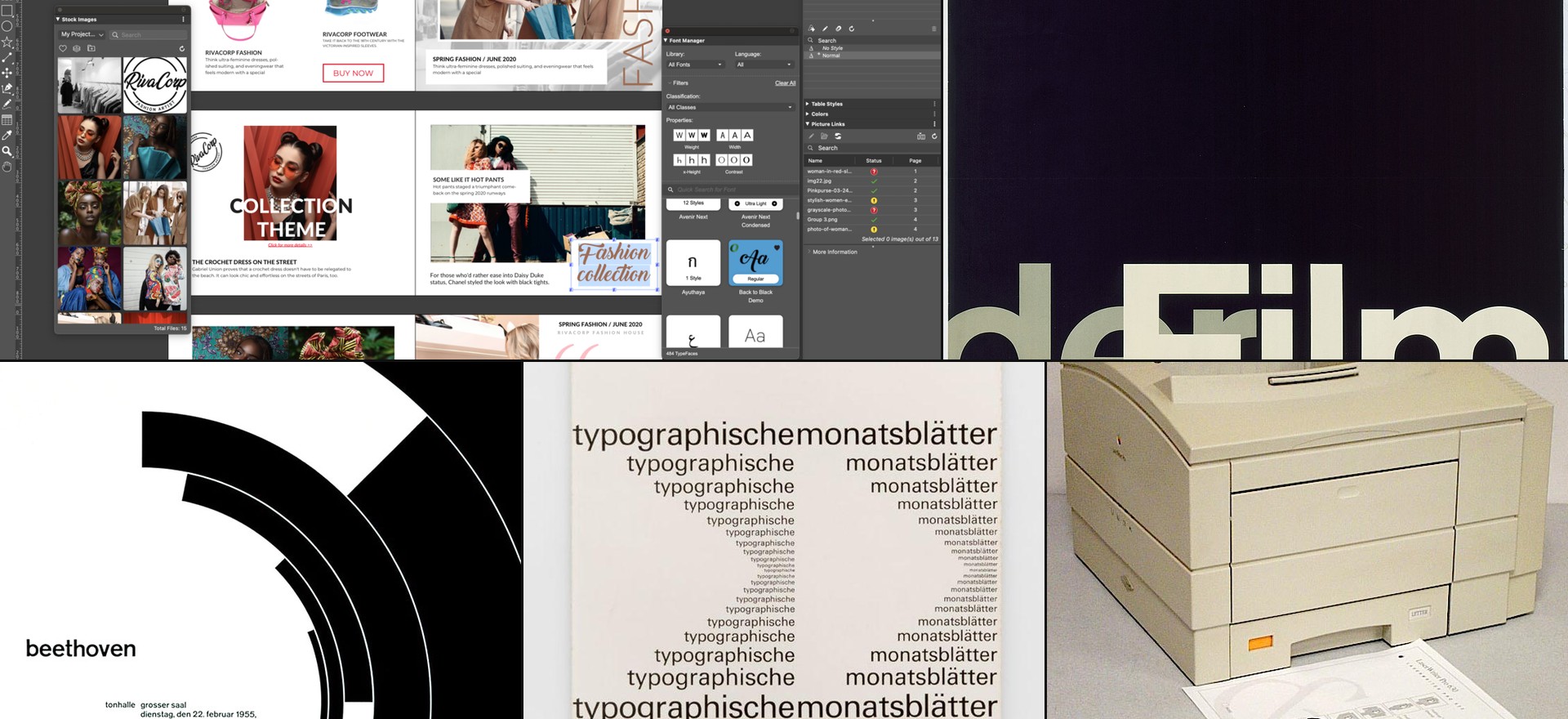 QuarkXPress · Layout System · Typography · Swiss Design Influence
Interactive Designer
Design tools that don't require you to be an engineer.
I joined Quark's SVG committee because I saw interactive design crystallizing around scalable vector graphics — the future of layout tools was clear. This research led directly to Quark Interactive Designer, a remake of QuarkImmedia that would leverage Flash as the standard for interactive content.
I remapped the entire feature set and defined interaction models for designers unfamiliar with ActionScript. The result: fully interactive Flash content exported directly from XPress — no timeline editor, no code, designed for designers. Quark Interactive Designer won Best of Show at MacExpo UK 2006.
Best of Show
MacExpo UK 2006 — Quark Interactive Designer
5M+ Licenses
Active worldwide at peak — every one hardware-locked
30 Languages
Including CJK — Japanese specs defined with top publishers
OS 9 → OS X
Every pipeline rebuilt — professional publishing's hardest shift